
Ukadiche modak is a traditional steamed Maharashtrian modak made during Ganesh Chaturthi. It has a soft rice flour covering and a sweet coconut-jaggery filling. You can shape these modaks by hand or use a modak mould if you want a neater shape.
The main trick in this recipe is the dough. It should be soft, smooth, and pliable, not dry or stiff. When the dough is warm and covered well, it is much easier to shape and the modaks are less likely to crack while steaming.

Jump to:
What is Ukadiche Modak?
Ukadiche modak is a steamed rice flour dumpling filled with fresh coconut, jaggery, poppy seeds, and cardamom or nutmeg. The word "ukadiche" refers to the steamed or cooked rice flour dough used for the outer covering.
These modaks are usually offered as prasad during Ganesh Chaturthi and are best served warm with a little ghee. The recipe needs simple ingredients, but the shaping takes a little patience, especially if you are making them without a mould.
Ingredients
For the Coconut-Jaggery Filling
- Fresh shredded coconut
- Jaggery or palm sugar
- Poppy seeds or khuskhus
- ¼ teaspoon cardamom powder, optional
- A pinch of nutmeg powder, optional
For the Rice Flour Dough
- Rice flour
- ¾ to 1 cup hot water, as needed
- 1 teaspoon ghee, or coconut oil for vegan modak
- A pinch of salt
Refer to the recipe card below for exact quantities.
Important Tips Before You Start
- Use hot water for the dough. This helps the rice flour soften and makes the dough easier to knead.
- Knead the dough while it is still warm. It should become smooth, soft, and pliable.
- Keep the dough covered. Rice flour dough dries quickly and can crack while shaping.
- Cool the filling before shaping. Warm or runny filling can make the modaks leak.
- Seal the top well. If the top is open, the filling may come out while steaming.
How to Make the Filling
Add jaggery to a pan and let it melt on low heat. Add fresh coconut, poppy seeds, and cardamom or nutmeg. Cook until the mixture thickens slightly.
The filling should be moist but not runny. It should hold together once cooled. Do not overcook it, or the jaggery can become hard after cooling.

How to Make Soft Rice Flour Dough
Boil water with a pinch of salt and ghee. Add rice flour, mix well, cover, and let it rest for a few minutes. Once it is warm enough to handle, knead it into a smooth dough.
The dough should feel soft and pliable, not dry or stiff. If it feels dry, wet your hands with warm water and knead again. If it feels sticky, add a small spoon of rice flour and knead until smooth.

Keep the dough covered with a damp cloth while shaping the modaks. This prevents the outer layer from drying and cracking.
How to Make Modak Without Mould

- Grease your palms with a little ghee or coconut oil.
- Take a small lemon-sized ball of warm dough.
- Flatten it gently into a small cup. Keep the center slightly thicker and the edges thinner.
- Add a small spoon of coconut-jaggery filling in the center.
- Pinch small pleats around the edge using your fingers.
- Bring the pleats together at the top and seal gently.
- Smooth any cracks with wet fingers before steaming.
If shaping the pleats feels difficult, make a simple round dumpling shape. The taste will still be the same, and it is a good option for beginners.
How to Make Modak With Mould
A modak mould makes shaping easier and gives a neat finish. Grease the inside of the mould lightly before adding the dough.
- Open the mould and press a thin layer of rice flour dough inside.
- Keep a small hollow space in the center for the filling.
- Add the coconut-jaggery filling, but do not overfill.
- Cover the base with a small piece of dough and seal it well.
- Open the mould gently and remove the shaped modak.


How to Steam Modak
Place the shaped modaks in a greased steamer plate. Keep a little space between them. Steam until the outer covering looks slightly glossy and no longer sticky.
Do not over-steam, as the outer layer can become chewy or dry. Let the modaks rest for a few minutes before serving. Serve warm with a little ghee.
Troubleshooting Tips
Why is my modak dough cracking?
The dough may be too dry, too cold, or left uncovered. Knead it while warm, keep it covered, and use wet fingers to smooth small cracks while shaping.
Why is the filling leaking?
The filling may be too runny or the modak may be overfilled. Cook the filling until it is moist but not watery, cool it before using, and seal the top and base well.
Why is the outer layer hard?
The dough may have been too stiff or the modaks may have been steamed for too long. The dough should be soft and smooth before shaping.
More Modak and Ganpati Dessert Recipes
If you are planning sweets for Ganesh Chaturthi, here are a few more modak and festive dessert recipes from SecondRecipe. These work well with ukadiche modak for prasad, family gatherings, or a small festival sweet platter.
- Top Ganesh Chaturthi Recipes - a collection of festive recipes for Ganpati celebrations.
- Chocolate Modak - an easy mawa modak variation with cocoa, cream, and milk powder.
- Air Fried Modak - a wheat flour modak with coconut-jaggery filling, cooked in the air fryer instead of deep frying.
- Strawberry Modak - a pink mawa modak made with strawberries, good for kids and festive platters.
- Sugar Free Chocolate Modak - a no-cook peanut butter and dates modak that is vegan and gluten-free.
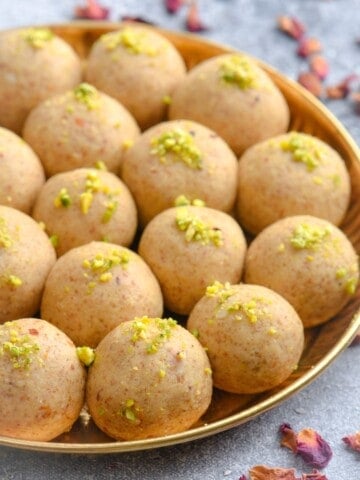
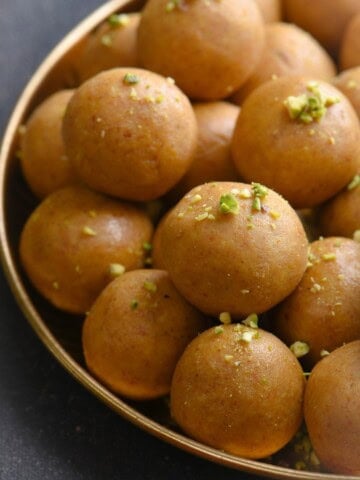
- Besan Laddoo - a classic festive sweet that pairs well with modak for Ganesh Chaturthi.
- Sooji Halwa - a simple semolina sweet often made for pooja and prasad.
- Kesar Shrikhand - a chilled saffron yogurt dessert for a festive meal.

Ukadiche Modak recipe
Equipment
- steamer
- frying pan
Ingredients
Ukadiche Modak filling
- ½ cup jaggery
- ¾ cup fresh shredded coconut
- ½ tablespoon poppy seeds/khuskhus
- ¼ teaspoon nutmeg powder optional
- or cardamom powder optional
Ukadiche Modak covering/pastry
- ¾ th cup hot water
- 1 cup rice flour fine
- 1 teaspoon ghee or clarified butter coconut oil if vegan
- pinch of salt
Instructions
For the filling
- Heat jaggery on a non-stick pan till it starts to melt.
- Add the shredded coconut, poppy seeds,nutmeg powder,cardamom powder until it forms a gooey mixture.
For covering/pastry
- Boil water and keep it aside.
- Add all the ingredients for the pastry to this boiled water and mix well with a ladle.
- Cover it and keep it aside for 10 minutes
- Knead the dough till you can form a stiff dough for the pastry.
- Divide it into small balls and roll them into small circles of equal size using a rolling pin.
- Add 1tbsp filling to each of these dough circles and hold it in your palm.
- Fold the edges of each modak,slowly between fingers,and close their loop, by slowly rotating it.
- Heat the steamer and place them one by one.
- Steam them for 10-12 minutes until they are non-sticky on touch .
Notes
You may need 1 cup of water for dough, depending on the rice flour you are using.You need to ensure that the dough is stiff.
Steam for 3-4 minutes more,if you still find modak sticky.
Variations and Substitutions
- Use coconut oil instead of ghee for a vegan version.
- Add only cardamom powder if you do not like nutmeg.
- Use a modak mould for easier shaping, especially if making a large batch.
- Try other festive modak recipes like chocolate modak, strawberry modak, or air fried modak.
Storage
Ukadiche modak tastes best when served fresh and warm. If you have leftovers, refrigerate them in an airtight container for 2 to 3 days. Steam them again or warm them gently before serving.
Avoid keeping fresh coconut-filled modaks at room temperature for long, especially in warm weather.
FAQ
Modak dough cracks when it is too dry, too cold, or left uncovered. Knead the rice flour dough while it is still warm, keep it covered with a damp cloth, and smooth small cracks with wet fingers before steaming.
Use hot water, a little ghee or coconut oil, and rice flour. Mix, cover, and rest it for a few minutes, then knead while warm. The dough should be soft, smooth, and pliable, not stiff or dry.
Yes, you can shape ukadiche modak by hand. Make a small cup with the dough, keep the edges thinner, add the coconut-jaggery filling, make gentle pleats, and seal the top. If pleating is difficult, make a simple round dumpling shape.
The filling may be too runny, too warm, or overfilled. Cook the coconut-jaggery mixture until it is moist but not watery, cool it before filling, and seal the top and base of each modak properly.
Steamed modak is done when the outer rice flour covering looks slightly glossy and no longer sticky. Do not over-steam, or the covering can become chewy or dry.
Ganpati Bappa Morya!

Leave a Reply